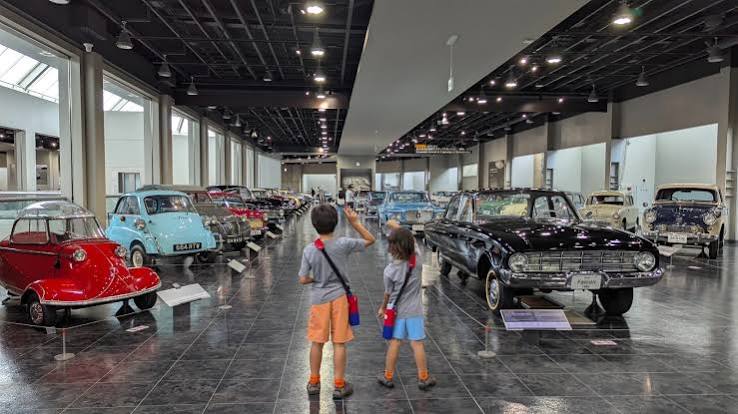
A vehicle can look perfect when it is parked and still feel wrong on the road. Driving experiences, including GM Experience the Drive at the Expo, help you judge comfort, handling and noise in real conditions.
Why driving matters
Looks, features and specifications tell only part of the story. How a vehicle drives determines whether you will enjoy it for years. Steering feel, braking, acceleration, seat comfort and cabin noise are all impossible to judge from a parked vehicle.
A driving experience also tests how the vehicle fits you personally. Two people can sit in the same seat and feel very different things, depending on height, posture and preference.
That is why GM Experience the Drive, available on Friday, Saturday and Sunday, is a useful part of the show. It gives you a chance to compare vehicles on the road, not only on the floor.
Prepare before you drive
Bring your driver’s license and arrive when you can take your time. Decide which vehicles you want to try and what you want to learn from each. A short list keeps the experience focused.
Think about the kind of driving you do every day. If you spend most of your time on highways, pay attention to noise and stability at speed. If you drive in the city, notice visibility, turning radius and ease of parking.
Also bring any passengers who regularly ride with you. Their comfort matters, and they may notice things you do not.
Adjust the vehicle to fit you
Before you start, set up the seat, steering wheel and mirrors. Take a minute to find a comfortable position, because a poor setup can make even a great vehicle feel wrong.
Check that you can see clearly in every direction. Look over your shoulder, use the mirrors and notice any blind spots. Visibility is a safety issue as well as a comfort one.
Make sure you can reach the controls easily and that important displays are readable. A well-designed cabin lets you focus on the road, not on searching for buttons.
What to notice while driving
Pay attention to acceleration and braking. Does the vehicle respond smoothly when you press the pedals? Is it easy to judge the braking force? Smooth and predictable behavior makes driving less tiring.
Notice steering and handling. The vehicle should feel stable and responsive without being twitchy. Try gentle turns and lane changes if the course allows.
Listen for noise from the engine, wind and tires, and feel how the suspension handles bumps. A quiet, composed ride is a sign of quality, but personal taste matters too.
You learn more in ten minutes behind the wheel than in an hour in the showroom.
Test the technology
Modern vehicles include screens, driver aids and smartphone connections. Try the systems while you are stopped or with a passenger helping. Check how easy it is to use navigation, audio and climate controls.
Ask about driver assistance features and how they behave. Some people find them helpful, while others prefer a simpler experience. You should know how to turn features on and off.
Remember that technology should serve you. If a system seems confusing during a short drive, it may become annoying over time.
Compare several vehicles fairly
Drive vehicles in a similar order and take notes immediately afterward. Write down what you liked, what you disliked and any surprises. Memory fades quickly, especially after several drives.
Try to compare similar vehicles, such as two compact SUVs or two sedans, so the differences are clear. Use the same questions for each one. You might rate comfort, visibility, noise, power and ease of use on a simple scale.
If possible, drive your current vehicle first or recall how it feels. This gives you a personal reference point.
Practice safe driving habits
Always follow the instructions of staff and respect the rules of the experience. Drive carefully, wear your seat belt and stay within the course. These events are meant to be fun, but safety comes first.
Take advice from the North Carolina Highway Patrol seriously. Their presence at the show is a reminder that good driving habits protect everyone. Avoid distractions, and focus fully on the road when you are driving.
If you are a younger or newer driver, take extra care and ask for guidance. Everyone starts somewhere, and good habits last a lifetime.
Questions to ask after a drive
When the drive ends, ask yourself a few simple questions. Was I comfortable? Did I feel safe and in control? Was the vehicle quiet enough? Would I be happy to drive this every day for several years?
Also ask the representative about anything you noticed, such as engine sounds, gearbox behavior or unfamiliar features. Clear answers help you understand whether something is normal.
Write down your answers immediately. Quick notes capture your honest first reactions, which are very valuable.
Involve your family
If your family will ride in the vehicle, invite them to try it. Children can tell you if the seats are comfortable, and teenagers may have strong opinions about the technology. Their input helps you find a vehicle that everyone will enjoy.
Let them sit in the back during the experience if possible. Passengers often notice noise, space and ride comfort that the driver misses.
A vehicle that suits every person in the family is far more likely to give lasting satisfaction.
Avoid common driving test mistakes
One mistake is judging a vehicle after only a few minutes without adjusting the seat. Another is comparing vehicles from different categories, such as a small sedan and a large truck, without remembering the difference in purpose.
A third mistake is letting excitement hide small problems. If something bothers you now, it will probably bother you later.
Slow down, stay honest and treat each drive as a fair test. Your goal is to learn, not to be impressed.
Why a short drive still counts
A brief event drive cannot replace a long test drive, yet it still gives valuable information. In ten or fifteen minutes you can notice how the seats feel, how quiet the cabin is and whether the controls make sense.
Use it to eliminate vehicles that do not suit you. If a vehicle feels uncomfortable or awkward within minutes, you can remove it from your list and spend your time on better options.
The best candidates will earn a longer drive later. That makes the event a helpful filter that saves hours of dealership visits and helps you focus on the vehicles that truly deserve your attention.
Treat the drive as a conversation
Talk with the representative during the drive. Ask about the features you notice, the differences between trims and what you would expect from the vehicle over time. Clear answers while you are experiencing something are easier to understand than explanations in a showroom.
Share your impressions honestly, whether positive or negative. Good representatives welcome feedback, and your comments help them guide you to the right model.
Finally, thank them for the opportunity. A friendly relationship may help when you return for a longer test drive.
Remember the basics of comfort
Comfort is personal and it matters on long trips. Check seat support, armrests, cup holders and storage spaces during the drive. Notice whether the seat feels good after ten minutes, not only in the first minute. Small comforts add up to a much better ownership experience.
Follow up after the show
After the experience, write a short summary of each vehicle while it is still fresh. Decide which ones deserve a longer test drive at a dealership. A short event drive is a great introduction, but a longer drive on roads you know is even better.
When you visit a dealer, try driving on routes you use every day, including highways and parking areas. Bring your family and test the seats, cargo space and entertainment systems.
Take your time, and do not rush. The right vehicle will feel comfortable, safe and enjoyable, and your notes from the Expo will help you recognize it.
Key takeaways
- A driving experience reveals comfort, noise, handling and visibility that a parked vehicle cannot.
- Adjust the seat, mirrors and wheel before you judge anything.
- Take notes right after each drive and compare similar vehicles with the same questions.
- Follow up with a longer test drive on your usual routes.
Plan your visit to the NC International Auto Expo
Thursday 12 PM to 9 PM, Friday 10 AM to 9 PM, Saturday 9 AM to 9 PM and Sunday 10 AM to 5 PM.
Adults 13 to 60 $6, over 60 $5, ages 6 to 12 $4, under 6 free. No advance sales; free parking.
Jim Graham Building, N.C. State Fairgrounds, 1025 Blue Ridge Road, Raleigh, NC 27607. Questions: [email protected]